
India in 2026 is no longer just growing — it is transforming. New metro corridors, ₹10 lakh crore infrastructure budgets, smart city programs, and a booming digital economy have completely redefined what urban living means. Yet with 640+ districts and thousands of urban centres to choose from, picking the right city to live, settle, or invest in is one of the most consequential decisions you will ever make.
Whether you are searching for the best place to live in India for your family, the best city to settle in India for your career, or simply a good place to live in India that balances cost and comfort — this guide covers all of it. It gives you a real decision framework — covering salary benchmarks, average rent, AQI pollution levels, property appreciation rates, safety scores, and education quality.
What Makes a City the Best Place to Live in India?
Choosing the best city to live in India is no longer just about job availability. Today's urban migrants evaluate cities on six parameters simultaneously — and so do we.
Each city in this top 10 best cities to live in India list was scored across six real-world parameters:
|
Parameter |
What We Measured |
|
Cost of Living |
Average rent (1BHK/2BHK), groceries, transport, dining |
|
Career & Salary |
Industry presence, average salary range, growth potential |
|
Safety |
NCRB crime data, women's safety, police-to-citizen ratio |
|
Education |
Schools, universities, research institutions |
|
Air Quality (AQI) |
Annual average AQI based on CPCB & IQAir 2025 data |
|
Real Estate Investment |
Average price per sq ft, YoY appreciation, rental yield |
Quick Comparison Table — Best City Live in India (All 10 at a Glance)
|
City |
Avg Rent (2BHK) |
Avg IT Salary |
AQI (Annual) |
Property Price (psf) |
Safety Rank |
|
Bengaluru |
₹22k–₹40k |
₹9–28 LPA |
85 (Moderate) |
₹7,500–₹14,000 |
★★★★☆ |
|
Pune |
₹14k–₹28k |
₹6–20 LPA |
70 (Moderate) |
₹6,000–₹12,000 |
★★★★★ |
|
Hyderabad |
₹18k–₹30k |
₹7–22 LPA |
75 (Moderate) |
₹5,500–₹10,500 |
★★★★☆ |
|
Gurgaon |
₹22k–₹55k |
₹10–35 LPA |
145 (Poor) |
₹8,000–₹22,000 |
★★★★★ |
|
Mumbai |
₹35k–₹80k |
₹12–40 LPA |
90 (Moderate) |
₹15,000–₹45,000 |
★★★★☆ |
|
Chennai |
₹14k–₹26k |
₹6–18 LPA |
72 (Moderate) |
₹5,500–₹10,000 |
★★★★★ |
|
Noida |
₹14k–₹28k |
₹7–22 LPA |
160 (Poor) |
₹6,500–₹12,000 |
★★★★☆ |
|
Ahmedabad |
₹12k–₹22k |
₹5–16 LPA |
95 (Moderate) |
₹4,500–₹9,000 |
★★★★☆ |
|
Chandigarh |
₹12k–₹22k |
₹4–14 LPA |
65 (Good) |
₹5,000–₹9,500 |
★★★★★ |
|
Kochi |
₹12k–₹22k |
₹5–16 LPA |
55 (Good) |
₹4,500–₹8,500 |
★★★★★ |
Top 10 Best Cities to Live in India in 2026 — Full Breakdown
1. Bengaluru — India's Tech Capital & Startup Hub
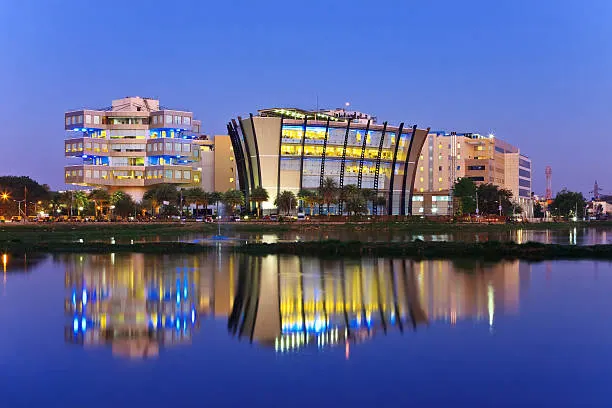
Bengaluru is India's undisputed technology capital and the city that most consistently offers the best career-to-lifestyle ratio for professionals under 40. With over 15,000 registered startups, a thriving VC ecosystem, and offices of every global tech giant — from Google and Microsoft to Amazon and Infosys — career growth here is unlike anywhere else in India.
For anyone asking which is the best city to live in India for tech careers, Bengaluru is the default answer. The city's climate (averaging 24°C year-round) remains one of its most underrated strengths. Unlike Delhi's extremes or Mumbai's humidity, Bengaluru's weather is genuinely comfortable throughout the year.
Cost of Living: A 1BHK in Whitefield or Sarjapur Road costs ₹15,000–₹28,000/month. Outer areas like Electronic City or HSR Layout offer more affordable options. Dining, groceries, and transport are moderate — total monthly expenses for a single professional typically fall between ₹45,000–₹75,000.
Career & Salary: IT/software salaries average ₹9–28 LPA with senior roles going higher. India's highest startup funding density means equity opportunities exist here that don't exist elsewhere. Aerospace (HAL, ISRO) and biotech also provide strong non-IT career tracks.
Safety: Despite its reputation for traffic incidents, Bengaluru's violent crime rate is lower than Delhi and Mumbai. Post-2022 CCTV expansion and Hoysala patrol systems have improved response times.
Education: Home to IISc (India's top research university), IIM Bangalore, NIMHANS, Christ University, and Manipal Academy — covering every discipline.
Real Estate: Property in areas like Whitefield, Sarjapur, and Hebbal has appreciated 18–25% over the last two years. Rental yields of 3.5–4.5% make it a solid investment city.
AQI: Annual average of ~85 — among the better metros, though monsoon months improve this significantly.
Pros: Highest salary potential, best startup ecosystem, pleasant climate, strong international community.
Cons: Severe traffic congestion, water scarcity in summer, rising cost of living in premium areas.
Best For: IT professionals, startup founders, data scientists, biotech researchers, young professionals.
Avoid If: You need clean air, hate traffic, or are looking for affordable family living.
2. Pune — The Most Balanced City in India
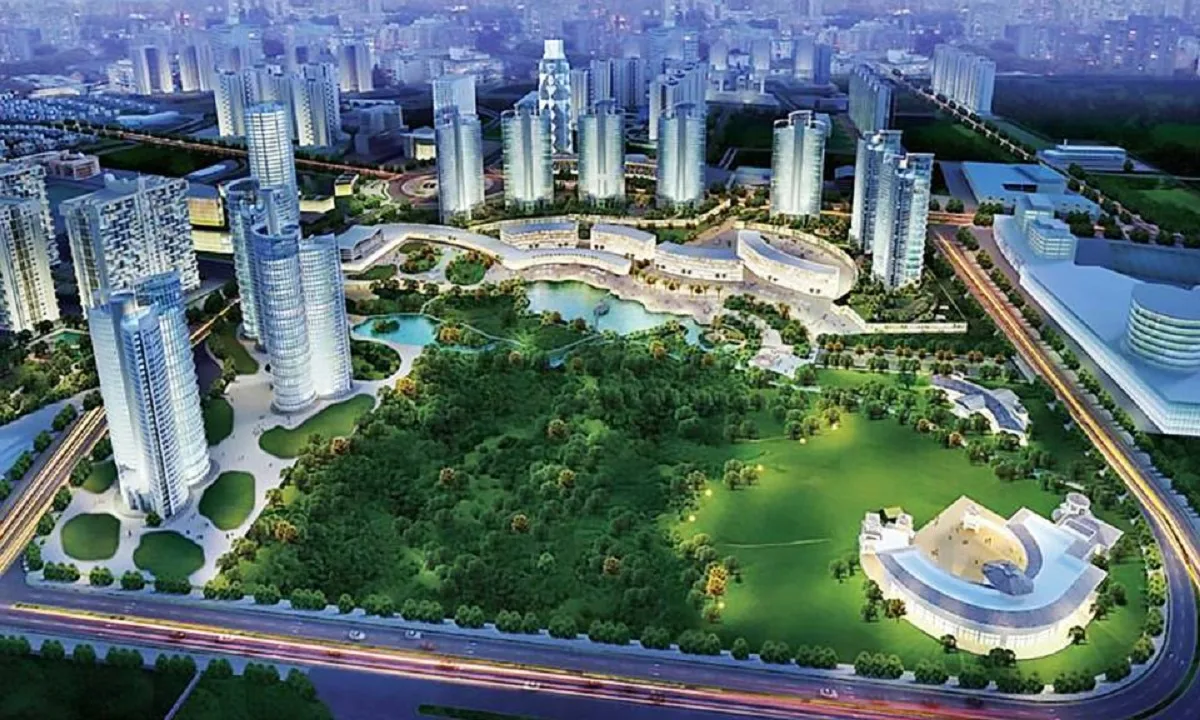
If there is one city that genuinely earns the title of best place to settle in India for almost every type of person — student, professional, family, investor, or retiree — it is Pune. A near-perfect climate (Sahyadri range moderates temperature), a massive education ecosystem with 800+ colleges, thriving IT and automobile sectors, and housing that is still 40% cheaper than Mumbai make Pune the most consistently livable city in India.
Cost of Living: A 2BHK in well-connected areas like Baner, Kothrud, or Wakad costs ₹16,000–₹26,000/month. Groceries and dining are affordable. Monthly living expenses for a family of three: ₹65,000–₹90,000.
Career & Salary: IT parks in Hinjewadi Phase 1–3, Magarpatta, and Kharadi employ over 5 lakh tech professionals. The Pimpri-Chinchwad MIDC belt hosts Tata Motors, Mercedes-Benz, Bajaj Auto, and Volkswagen. Salary range: ₹6–20 LPA for mid-level roles.
Safety: Ranked among the top 3 safest cities in Maharashtra by NCRB. Low violent crime rate and strong neighbourhood policing. Considered safe for women and families.
Education: Savitribai Phule Pune University, Symbiosis International University, MIT Pune, Fergusson College, and over 40 engineering colleges give Pune arguably the deepest education ecosystem of any Indian city outside Delhi-NCR.
Real Estate: Prices range from ₹6,000–₹12,000 per sq ft depending on location. Hinjewadi and Kharadi corridors have seen 15–20% appreciation in 2024–25. Rental yield: 3–4%.
AQI: Annual average ~70 — one of the better air quality ratings among major Indian cities.
Pros: Best overall balance, excellent climate, large student community, strong job market, affordable vs. Mumbai.
Cons: Weekend traffic near Hinjewadi, flooding in low-lying areas during monsoon.
Best For: IT professionals, engineering/MBA students, families, first-time homebuyers, automobile industry workers.
Avoid If: You need access to India's top financial markets or entertainment industry.
3. Hyderabad — The Best Affordable Metro in India
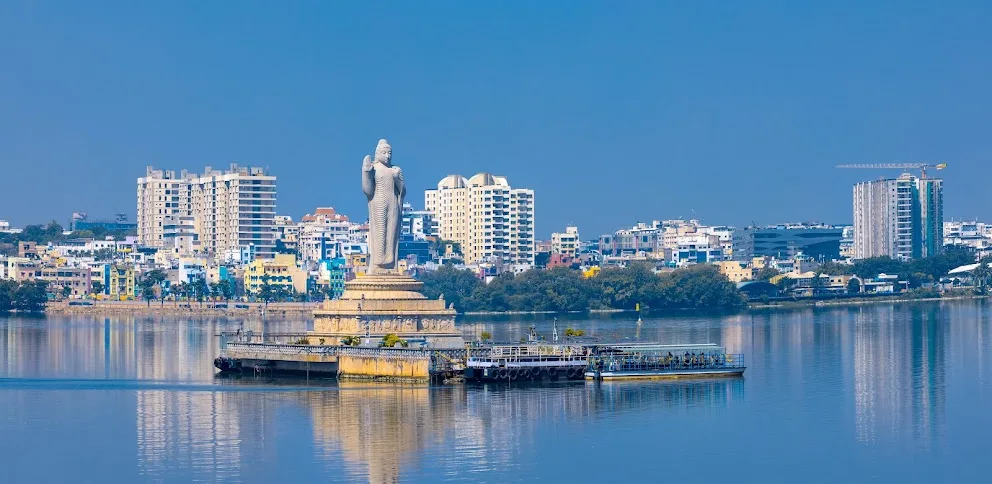
Hyderabad has quietly become the most compelling argument for why affordability and ambition are not mutually exclusive. Among the india best cities to live, Hyderabad stands out because HITEC City's corridor — stretching from Madhapur to Gachibowli — hosts Indian offices of Microsoft, Apple, Google, Amazon, Facebook, and virtually every Fortune 500 tech company, all at property prices 30–40% lower than Bengaluru. There is no local body octroi tax, which meaningfully reduces living costs compared to other metros.
Cost of Living: A 2BHK in Gachibowli or Kondapur costs ₹18,000–₹28,000/month. The city also has excellent street food culture — daily meals cost a fraction of what you'd spend in Mumbai or Gurgaon.
Career & Salary: India's second-largest IT hub after Bengaluru. Also a powerhouse in pharma (Dr. Reddy's, Aurobindo), biotech, and defence R&D (DRDO, BDL). Salary range: ₹7–22 LPA for tech professionals.
Safety: Telangana Police's SHE Teams (dedicated women's safety rapid response), AI-based crime mapping, and Dial 100 upgrades have made Hyderabad significantly safer over the last three years.
Education: University of Hyderabad, IIT Hyderabad, ISB (India's top MBA for finance), NALSAR Law School, BITS Pilani Hyderabad Campus.
Real Estate: Arguably the best investment city in India right now. Prices in Financial District, Kokapet, and Narsingi range from ₹7,000–₹12,000 psf and have shown 20–28% appreciation in two years. Upcoming Hyderabad Metro Phase 2 will further boost peripheral areas.
AQI: Annual average ~75 — acceptable but monitoring is advised during Diwali months.
Pros: Affordable metro living, excellent IT career options, best real estate appreciation story, great food culture.
Cons: Summer heat (April–June temperatures cross 40°C), public transport still developing outside metro corridors.
Best For: IT professionals, pharma/biotech researchers, real estate investors, young families seeking metro life at Tier-2 cost.
Avoid If: You can't handle intense summer heat or prefer a fully walkable city.
4. Gurgaon (Gurugram) — North India's Premium Urban Address
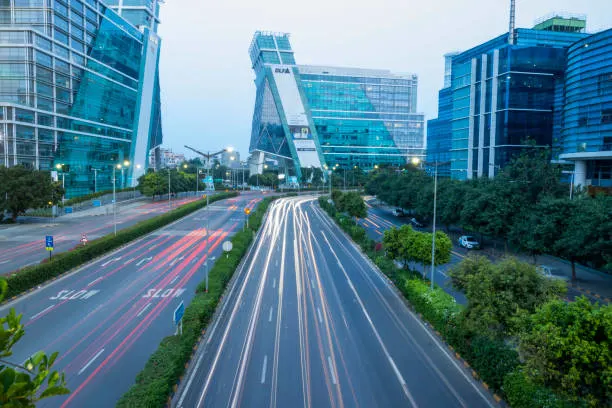
No city in North India has transformed more dramatically in the last two decades than Gurgaon. What was farmland in 2000 is now a skyline of glass towers, luxury gated communities, and the highest concentration of Fortune 500 India offices outside Mumbai. For professionals in consulting, finance, and technology, Gurgaon is the best city to settle in India in North India — full stop.
Cost of Living: Premium A 2BHK in Golf Course Road or Sector 50 costs ₹30,000–₹55,000/month. Dwarka Expressway and New Gurgaon offer more affordable options at ₹18,000–₹28,000/month. Dining and entertainment options are extensive but priced accordingly.
Career & Salary: Home to India offices of McKinsey, Google, American Express, Samsung, Softbank, and hundreds of MNCs. Average salary for a senior professional: ₹15–40 LPA. Financial services, consulting, technology, and e-commerce are dominant sectors.
Safety: Better than Delhi proper but lags behind South Indian metros. Rapid urbanisation has created uneven policing. However, gated communities have strong private security ecosystems.
Education: GD Goenka, DPS, Shri Ram School, and Ryan International — some of India's top CBSE schools are here. MDI Gurgaon for MBA. Close proximity to Delhi University colleges.
Real Estate: India's strongest luxury real estate market. Premium areas like DLF 5, Golf Course Road, and Southern Peripheral Road command ₹15,000–₹22,000+ psf. Mid-segment on Dwarka Expressway: ₹8,000–₹12,000 psf with strong appreciation momentum driven by Jewar Airport (operational 2026) and urban expansion.
AQI: A genuine concern. Annual AQI averages 140–160, with winter months (Nov–Jan) often reaching hazardous levels (300+). This is Gurgaon's most significant quality-of-life negative.
Pros: Highest salary potential in North India, premium lifestyle infrastructure, exceptional real estate investment returns, best connectivity to IGI Airport.
Cons: Severe air pollution in winter, high cost of living, traffic congestion on Golf Course Road and Sohna Road corridors.
Best For: Senior corporate professionals, MNC employees, luxury real estate investors, families who prioritise school quality and lifestyle amenities.
Avoid If: You have respiratory conditions, are on a budget, or value clean air above all else.
5. Mumbai — The City That Rewards Ambition
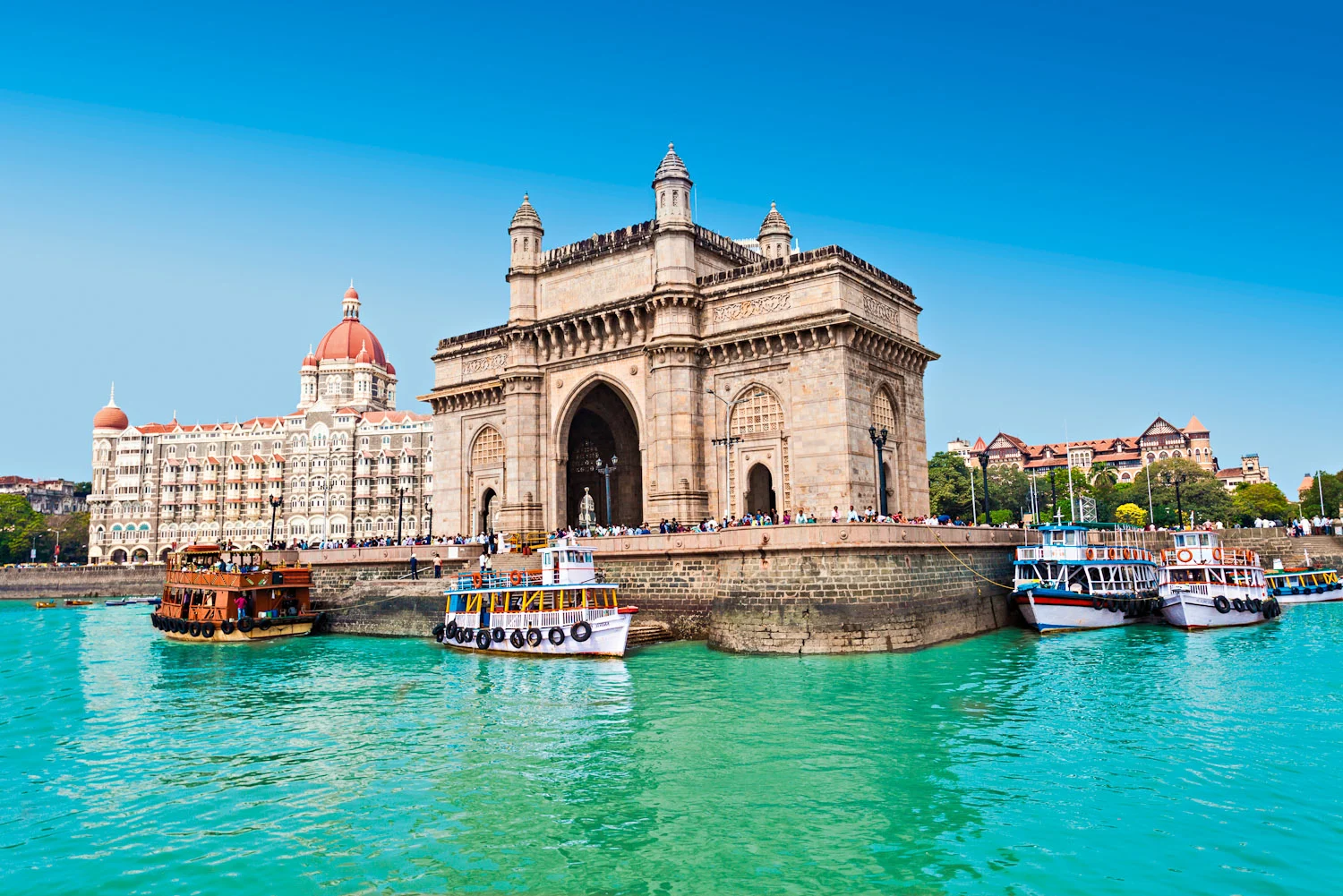
Mumbai operates on a different scale than every other Indian city. It is India's financial capital, its entertainment capital, its fashion capital, and its most cosmopolitan city — simultaneously. The career ceiling in Mumbai is simply higher than anywhere else in India, particularly in finance, media, law, and consulting. Its costs are the highest in India, but so are the salaries and networking opportunities.
Cost of Living: The highest in India. A 1BHK in Bandra, Powai, or Andheri costs ₹35,000–₹75,000/month. Even in outer suburbs like Thane or Navi Mumbai, expect ₹18,000–₹30,000. Local trains and an improving metro network help reduce transport costs significantly.
Career & Salary: BSE, NSE, RBI, every major Indian bank HQ, Bollywood, major law firms, global consulting firms, and shipping trade are all headquartered here. Average salary for experienced professionals: ₹15–40 LPA. Finance professionals can earn significantly more.
Safety: Relatively safe for a city of 20 million. Low violent crime rate, strong CCTV infrastructure, and a civic culture of public safety. Ranked safer than Delhi, Noida, and many NCR cities.
Education: IIT Bombay, TISS, JBIMS, NMIMS, University of Mumbai, Cathedral & John Connon School, Dhirubhai Ambani International School — among India's finest institutions.
Real Estate: South Mumbai, Bandra, Juhu, and Powai remain aspirational. Property prices in BKC corridor: ₹25,000–₹45,000 psf. More accessible entry in Thane (₹9,000–₹15,000 psf) and Navi Mumbai (₹8,000–₹13,000 psf) with strong growth trajectory driven by Mumbai Trans Harbour Link and Navi Mumbai International Airport.
AQI: Annual average ~90 — sea breezes help but construction dust and vehicle density keep pollution elevated.
Pros: Unmatched career ceiling, best networking city in India, world-class dining and culture, financial hub status.
Cons: Extremely high cost of living, space constraints, monsoon flooding, commute fatigue.
Best For: Finance professionals, media/entertainment, lawyers, consultants, ambitious young professionals who want India's best career opportunities.
Avoid If: You are on a limited budget, prioritise space, or want a quieter lifestyle.
6. Chennai — Stability, Safety, and South India's Industrial Core
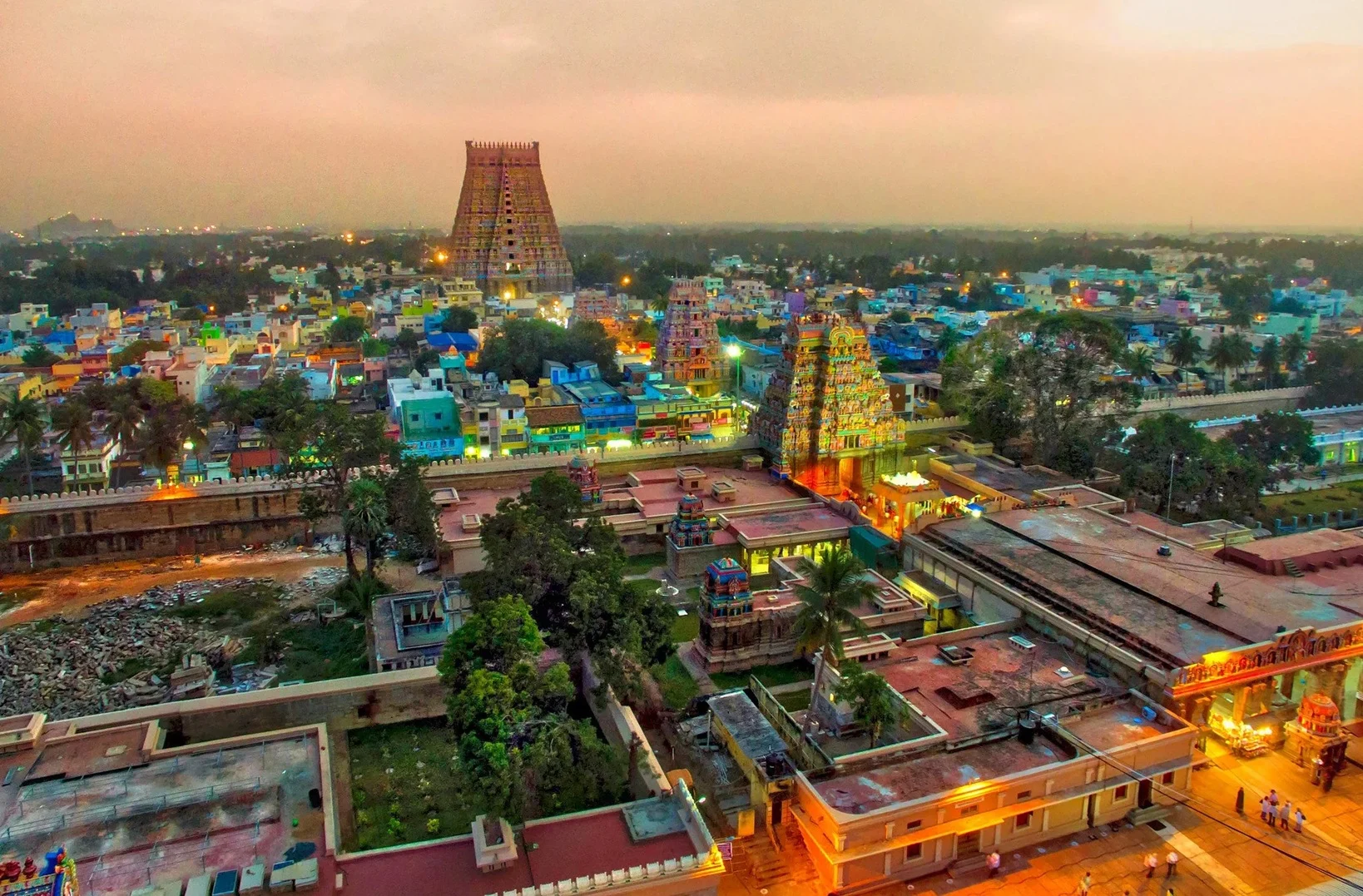
Chennai is India's most underrated major metro. While Bengaluru and Hyderabad get most of the attention, Chennai has been quietly building one of India's most diversified economies — automobile manufacturing (the Detroit of Asia), IT, healthcare, and port-based trade — while maintaining exceptional safety, infrastructure reliability, and value for money. For families looking for a good place to live in India with stable infrastructure and top schools, Chennai consistently over-delivers.
Cost of Living: Moderate. A 2BHK in OMR or Velachery costs ₹14,000–₹24,000/month. Suburban rail + expanding metro keeps commute costs low. Monthly family expenses: ₹55,000–₹80,000.
Career & Salary: Hyundai, BMW, Daimler, and Renault-Nissan all have major manufacturing facilities near Chennai. OMR corridor is the IT spine. Fintech, healthcare, and port logistics add depth. Salary range: ₹6–18 LPA for mid-level roles.
Safety: Consistently one of the safest major cities in India. Strong community policing, NCRB data reflects low violent crime rates, and the city is considered particularly safe for women.
Education: IIT Madras (India's top engineering university), Anna University, Madras Medical College, Loyola College — elite tier across every stream.
Real Estate: Still among the more affordable metros. OMR corridor and Perambur: ₹5,500–₹9,000 psf. Chennai's real estate market is stable rather than speculative — ideal for end-users.
AQI: Annual average ~72 — sea wind from the Bay of Bengal helps maintain better air quality than most North Indian cities.
Pros: Exceptional safety, stable economy, IIT Madras ecosystem, strong automotive industry, reliable infrastructure.
Cons: Language barrier for non-Tamil speakers, extreme summer heat and humidity (April–June), nightlife and entertainment scene is limited compared to Bengaluru or Mumbai.
Best For: Automotive engineers, IT professionals, medical professionals, families prioritising safety and education quality.
Avoid If: You prioritise nightlife, can't handle South Indian summers, or need a large non-Tamil-speaking social ecosystem.
Also read: buy a house in india
7. Noida — North India's Fastest-Growing Urban Corridor
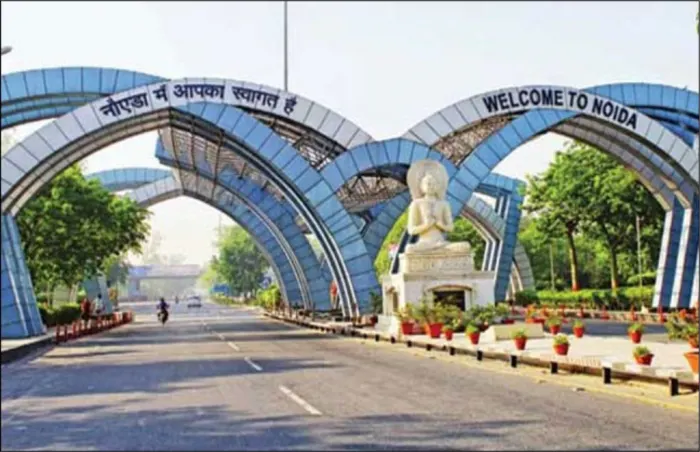
Noida has evolved from a satellite town into a full-fledged urban destination. Wide roads, organised sector planning, a rapidly expanding metro network, and proximity to Delhi — all at property prices 30–40% below Gurgaon — make Noida one of the most practical 10 best cities to live in India picks for NCR professionals who don't want to pay Gurgaon's premium.
Cost of Living: Moderate for NCR standards. A 2BHK in Sector 100–137 costs ₹14,000–₹28,000/month. Expressway sectors offer better infrastructure. Monthly family expenses: ₹60,000–₹85,000.
Career & Salary: IT parks in Sector 62, 63, and 142 employ hundreds of thousands. Noida also has a growing media and entertainment hub (Film City) and MSME manufacturing in Phase II. Salary range: ₹7–22 LPA for tech professionals.
Safety: Improving but still lags behind South Indian metros. Organised sectors are generally safe; peripheral areas need caution. Strong CCTV expansion under UP Smart City mission.
Education: Amity University, Shiv Nadar University, Jaypee Institute, and excellent CBSE schools make it a solid choice for families.
Real Estate: The most interesting investment story in North India right now. Jewar International Airport — operational in 2026 — and Noida International Airport are driving massive demand in Greater Noida and Sector 150 corridor. Prices: ₹6,500–₹12,000 psf. Expected 20–30% appreciation in airport-adjacent sectors over 3–5 years.
AQI: A serious concern. Annual average AQI of 155–175. Winter months regularly hit Severe/Hazardous levels. Not suitable for people with asthma or respiratory issues.
Pros: Affordable vs. Gurgaon, organised sector planning, Jewar Airport appreciation play, good connectivity to Delhi.
Cons: Worst air quality of any city on this list in winter, still developing nightlife and social infrastructure.
Best For: IT professionals, real estate investors (Jewar Airport play), families wanting NCR access at lower cost.
Avoid If: Air quality is a health priority or you want South-India-level safety and cleanliness.
8. Ahmedabad — Gujarat's Business Engine and India's Cleanest Large City
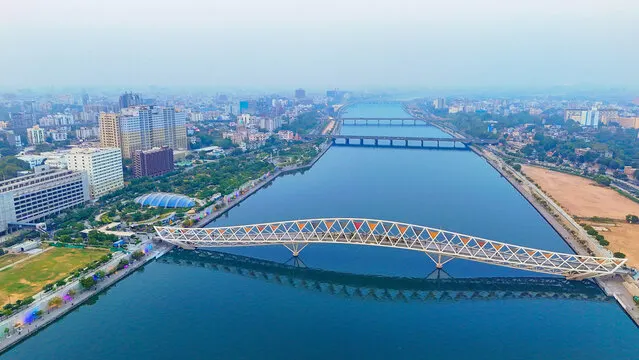
Ahmedabad is quietly becoming one of India's most complete cities and increasingly one of the india best cities to live for entrepreneurs and business owners. The combination of a business-friendly state government, clean roads, Swachh Survekshan rankings (consistently top 5), low cost of living, and the emergence of GIFT City as India's international financial services hub is creating a genuinely compelling urban offer.
Cost of Living: Very affordable. A 2BHK in Bopal, SG Highway, or Prahlad Nagar costs ₹12,000–₹22,000/month. Overall living costs are 20–30% lower than Bengaluru.
Career & Salary: GIFT City is India's answer to Singapore's financial hub — housing global banks, insurance firms, and stock exchanges in a special economic zone. The traditional economy (textiles, pharma, chemicals) adds breadth. Salary range: ₹5–16 LPA, with GIFT City roles commanding a premium.
Safety: Smart city surveillance, community policing, and Gujarat's traditionally low violent crime rates make Ahmedabad one of India's safer cities. NCRB consistently places it among mid-tier metros for safety.
Education: IIM Ahmedabad (India's most prestigious MBA), IIT Gandhinagar (30 km), CEPT University (India's top architecture school), Gujarat University.
Real Estate: Great value. SG Highway and Science City corridors: ₹5,500–₹9,000 psf. GIFT City proximity is a unique investment angle — limited comparable options in India.
AQI: Annual average ~95 — industrial areas push this up, but residential zones are significantly cleaner.
Pros: Most business-friendly environment, GIFT City investment angle, IIM Ahmedabad ecosystem, very affordable, clean city.
Cons: Entertainment and nightlife are limited, summer temperatures exceed 42°C, job market narrower than Bengaluru or Hyderabad for pure tech professionals.
Best For: Entrepreneurs, business owners, GIFT City finance professionals, MBA aspirants, affordable family living.
Avoid If: You are in pure IT and need Bengaluru/Hyderabad-scale employment density, or can't handle intense summers.
9. Chandigarh — India's Most Livable Planned City
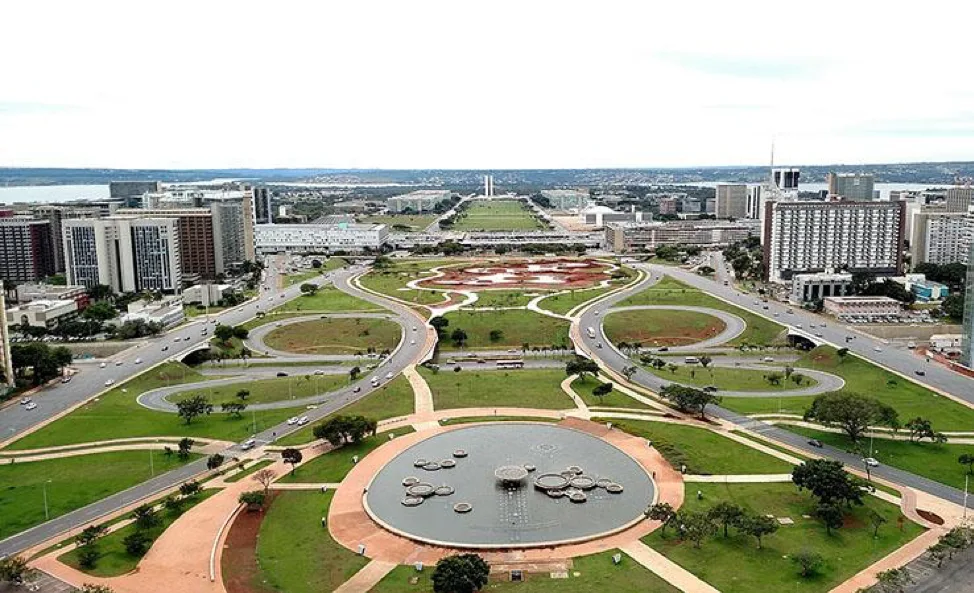
Designed by the legendary Le Corbusier, Chandigarh is the only Indian city that was built around the concept of human wellbeing from the ground up. And 60+ years later, it still shows. The widest roads, the most parks per capita, the lowest congestion, the best police-to-citizen ratio, and consistently the highest scores on quality-of-life surveys — Chandigarh is what a best place to live in India actually looks like when planned from scratch.
Cost of Living: Moderate. A 2BHK in Sector 20, 35, or 44 costs ₹12,000–₹22,000/month. Excellent value given the quality of infrastructure you get.
Career & Salary: The employment base is more limited than the metros — primarily government/UT administration, IT/BPO in Mohali, and manufacturing in the Panchkula belt. Salary range: ₹4–14 LPA. Proximity to Ludhiana and Amritsar adds some industrial access.
Safety: Among India's top 3 safest cities. Best police-to-citizen ratio in the country, well-lit public spaces, and extremely low violent crime. Consistently the safest option for women and elderly.
Education: PGI Chandigarh (one of India's top medical institutions), Punjab University, Chandigarh University (now a major private university), and excellent CBSE schools throughout the sectors.
Real Estate: Stable and reliable rather than high-growth. Sector properties: ₹5,000–₹9,500 psf. Limited new supply in prime sectors keeps values steady. Panchkula and Mohali offer more affordable entry points.
AQI: Annual average ~65 — among the best air quality of any major Indian city. Low congestion helps significantly.
Pros: Best quality of life in India, cleanest large city, safest city, highest per-capita income outside metros, exceptional greenery.
Cons: Limited private sector career opportunities, smaller social scene, not ideal for ambitious career growth outside government/PSU.
Best For: Families, retirees, government employees, people who prioritise quality of life over career growth, high per-capita income earners.
Avoid If: You need a deep private sector job market or want a large cosmopolitan social ecosystem.
10. Kochi — The Future of Peaceful, Sustainable Urban Living

Kochi is the most forward-looking city on this list. Kerala's high human development index (best in India), high literacy translating directly into low crime, a waterfront city aesthetic, India's first fully solar-powered metro, Infopark's growing IT ecosystem, and property prices that are still accessible — Kochi offers something increasingly rare: genuine livability without the compromises that come with larger metros. If you are looking for a good place to live in India where quality of life is not sacrificed for career, Kochi is the answer.
Cost of Living: Moderate. A 2BHK in Kakkanad, Edapally, or Aluva costs ₹12,000–₹22,000/month. Food quality is exceptional — Kerala cuisine at street level is among India's best.
Career & Salary: Infopark and SmartCity Kochi are growing IT hubs. Port logistics, tourism, healthcare, and hospitality also provide strong employment tracks. Salary range: ₹5–16 LPA.
Safety: Kerala's literacy rate of 96.2% directly correlates with one of India's lowest crime rates. Kochi is consistently ranked among the safest metros for women, families, and the elderly.
Education: Cochin University of Science and Technology (CUSAT), IIM Kozhikode (1.5 hrs), Amrita Institute of Medical Sciences, and exceptional CBSE/Kerala State board schools.
Real Estate: Strong long-term investment case. Prices: ₹4,500–₹8,500 psf, with Infopark corridor and Marine Drive premium commanding higher. Waterfront properties hold value exceptionally well.
AQI: Annual average ~55 — the best air quality of any city on this list. Coastal breezes and Kerala's forest cover contribute significantly.
Pros: Best air quality, safest city for families, exceptional food culture, waterfront living, sustainable infrastructure (solar metro), Kerala's world-class healthcare.
Cons: Connectivity to other major metros is less direct, IT job density lower than Bengaluru/Hyderabad, heavy monsoon (June–August) can disrupt daily life.
Best For: Retirees, families prioritising health and safety, IT professionals open to a slower pace, sustainable living advocates, NRI returnees.
Avoid If: You are chasing aggressive career growth in tech or finance and need Bengaluru/Mumbai-scale opportunities.
City-by-City Verdict: Best City to Live in India — Who Should Move Where?
|
If You Are... |
Best City |
Why |
|
IT professional, early career |
Bengaluru or Hyderabad |
Highest job density, best salaries, startup ecosystem |
|
Family with school-going children |
Pune or Chandigarh |
Safety, school quality, clean environment |
|
Real estate investor (appreciation) |
Hyderabad or Noida (Jewar play) |
20–28% appreciation, infrastructure tailwinds |
|
Finance/consulting professional |
Mumbai or Gurgaon |
Industry presence, salary ceiling, networking |
|
Entrepreneur / business owner |
Ahmedabad or Bengaluru |
Business-friendly environment vs. startup ecosystem |
|
Retiree / senior citizen |
Chandigarh or Kochi |
Safety, clean air, healthcare, peaceful living |
|
Student |
Pune or Bengaluru |
800+ colleges, 15,000+ startups, young energy |
|
NRI returning to India |
Hyderabad or Pune |
Value for money, familiar infrastructure, global employers |
|
Someone escaping Delhi pollution |
Chandigarh, Kochi, or Pune |
AQI under 75, manageable traffic |
Best City to Settle in India for Real Estate Investment
If your goal is long-term property appreciation, here are the top 5 cities to live in India that also offer the strongest investment returns in 2026:
1. Hyderabad — Strongest combination of affordability + appreciation + infrastructure growth. Financial District and Kokapet corridors are already seeing 25%+ returns. Metro Phase 2 expansion is a near-term catalyst.
2. Noida (Greater Noida / Sector 150) — Jewar International Airport is the single biggest real estate catalyst in North India. Areas within 15 km of Jewar are positioned for 30–40% appreciation over 3–5 years.
3. Gurgaon (Dwarka Expressway / SPR) — Luxury real estate in Gurgaon remains India's most supply-constrained premium market. Dwarka Expressway post-completion has already delivered 20%+ in 2 years.
4. Bengaluru (Peripheral Ring Road Zone) — North Bengaluru and Hosur Road corridors benefit from IT campus supply. Long-term fundamentals remain strongest of all cities.
5. Pune (Hinjewadi / Kharadi) — Most consistent appreciation story in Western India. Lower volatility than NCR, strong rental demand from IT workforce.
Top 5 Cities by Air Quality (Annual Average AQI, Lower is Better)
-
Kochi — ~55 (Good) — Coastal breeze advantage
-
Chandigarh — ~65 (Good) — Planned city, low congestion
-
Pune — ~70 (Moderate) — Sahyadri buffer, manageable traffic
-
Chennai — ~72 (Moderate) — Bay of Bengal sea wind helps
-
Hyderabad — ~75 (Moderate) — Deccan plateau altitude advantage
(Cities to avoid for air quality: Noida, Gurgaon — winter AQI regularly exceeds 300)
Safest Cities in India in 2026 — Based on NCRB Data
-
Chandigarh — Best police-to-citizen ratio, low violent crime across all categories
-
Kochi — High literacy = low crime. Safest large city in South India
-
Pune — Top 5 safest in Maharashtra consistently
-
Chennai — Low robbery and assault rates, strong community policing
-
Kolkata — Lowest violent crime rate among the Big Four metros
Conclusion: Choosing the Best Cities to Live in India in 2026
Choosing the best cities to live in India in 2026 is ultimately a personal decision — shaped by your career stage, family situation, budget, and lifestyle priorities. There is no universally correct answer, only the right answer for you.
If you are 25 and ambitious in tech, Bengaluru or Hyderabad will turbocharge your career. If you are building a family and want safety + schools + air quality, Pune or Chandigarh are exceptional best places to live in India for that life stage. If you want the highest salary ceiling and don't mind paying for it, Mumbai or Gurgaon deliver. And if you are ready to slow down without giving up on quality of life, Kochi or Chandigarh may be the best decisions you ever make.
India in 2026 is finally building cities that work for people — not just for industry. Use this guide to find the best city live in India for your specific goals, and make a decision backed by real data — not just a generic list.